OVERVIEW
Alaska’s acquisition of Hawaiian Airlines exposed legacy, manual travel payment processes as unscalable. I led the design of a scalable, two-sided solution that enables internal teams to manage payments and tax rates, while allowing retirees to self-serve payments online – replacing a paper-based, manual system. This work also established a visual design foundation for future employee travel initiatives.
PROBLEM
When employees use standby travel privileges, travel charges and fees are deducted directly from their paycheck. Retirees however do not have a paycheck, thus
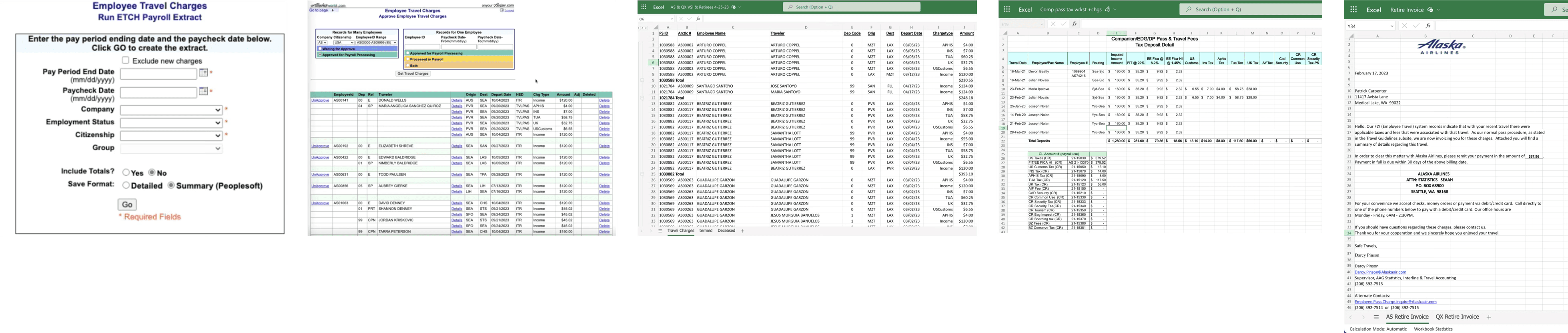
Retiree travel is very costly, requiring extensive manual work to calculate, collect, and process travel charges and fees. This system not scalable our company grows.
With the acquisition of Hawaiian Airlines, there will be many more travelers which the accounting team does not have the capacity to accommodate given current manual processes, across many different tools and spreadsheets.
BUSINESS GOALS
USER PAIN POINTS
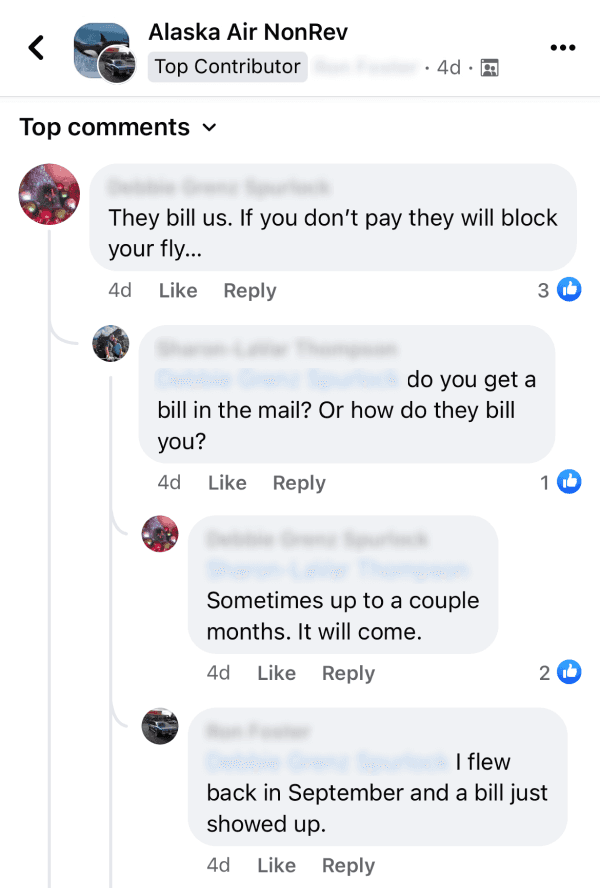
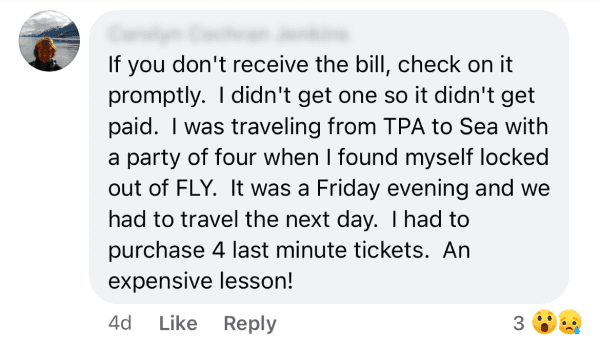
Vulnerable to unexpected charges and account suspension due to very delayed invoice processing time and paper mail system
OPPORTUNITY
How might we design a scalable, end-to-end solution to digitize and automate retiree travel payment processes?
PERSONAS
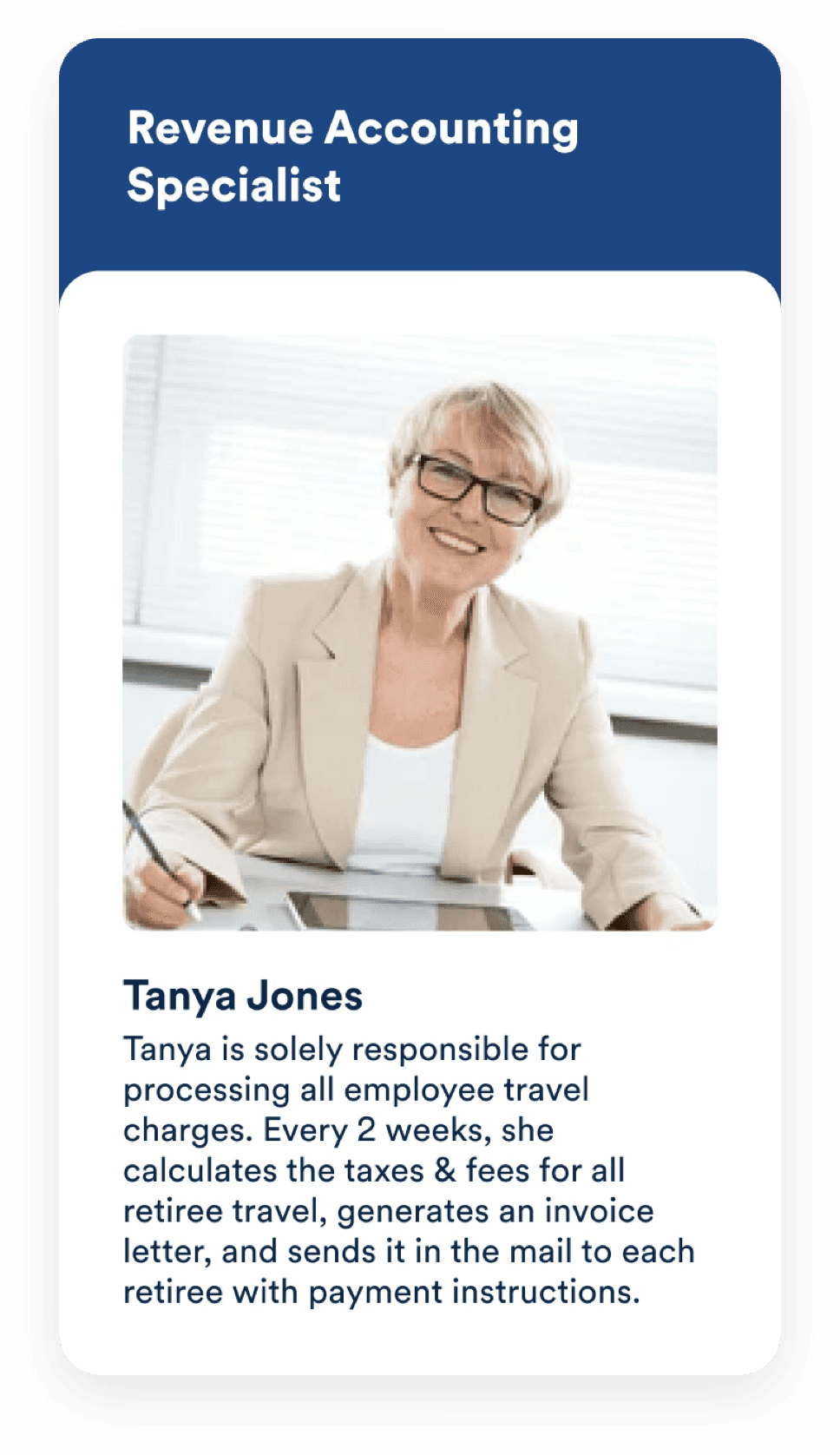
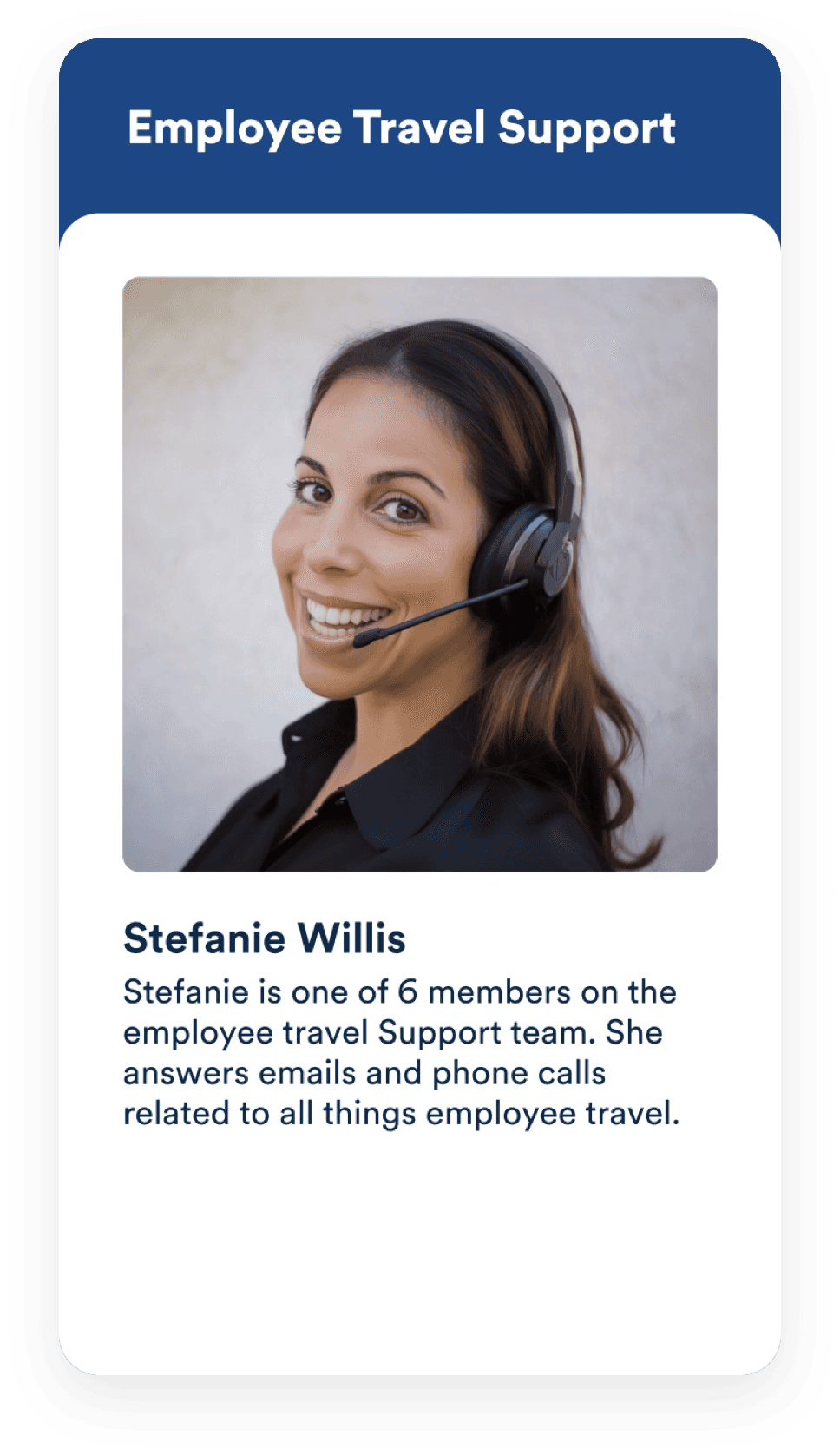
Processing travel payments involves multiple stakeholders: a revenue accounting specialist who calculates and submits payments to payroll, the employee travel support team who handle inquiries via phone and email, and the retiree traveler responsible for payment. The solution needed to support each group’s responsibilities across their respective touchpoints and tools.

*Note: This project was under a very tight timeline with limited access to users, so I did not have the opportunity to explore many design iterations or conduct usability testing.
USER FLOW
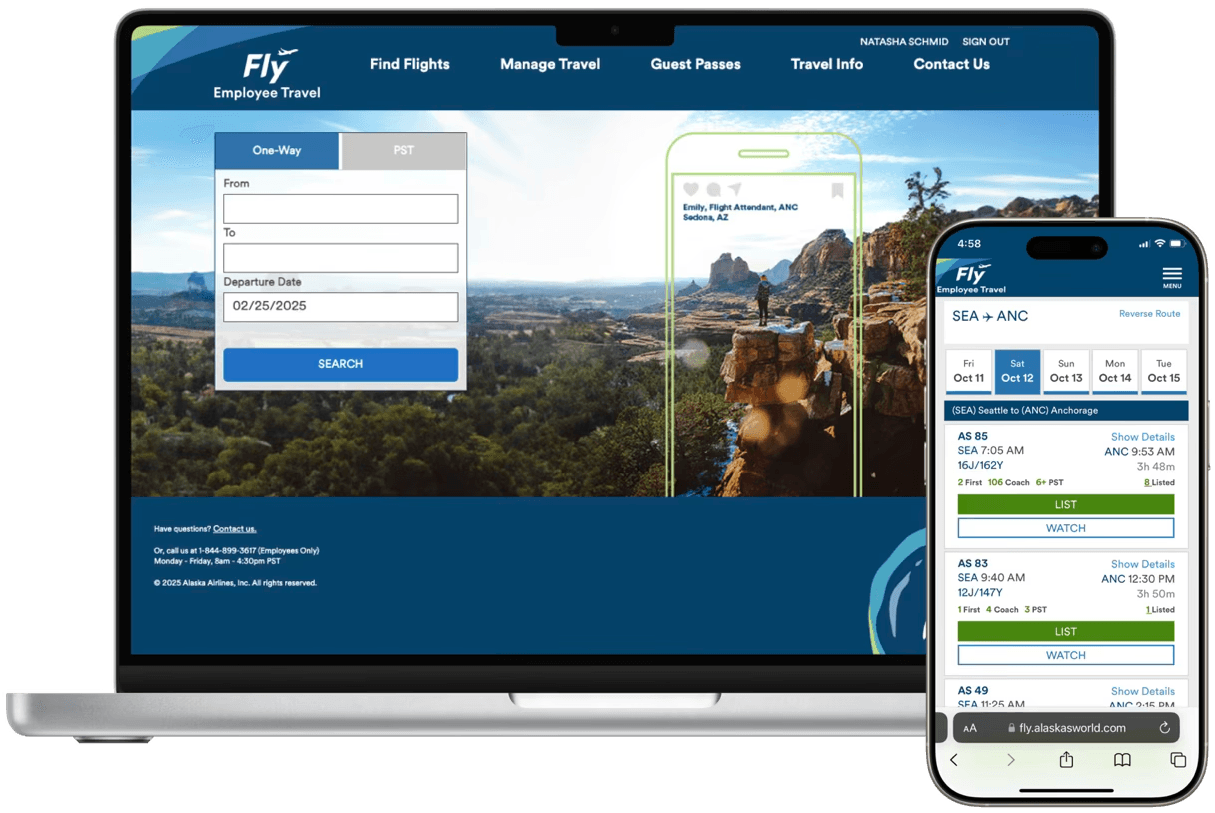
I interviewed our revenue accounting specialist to understand each step in her existing manual workflow. From there, I identified opportunities to automate key steps and defined the critical touchpoints for payment processing – both for internal teams via our existing web tool, Fly Admin and retirees via our employee travel website, Fly.
Fly
Employee website used to book flights, manage travel credits, update profile, access travel resources, and get help
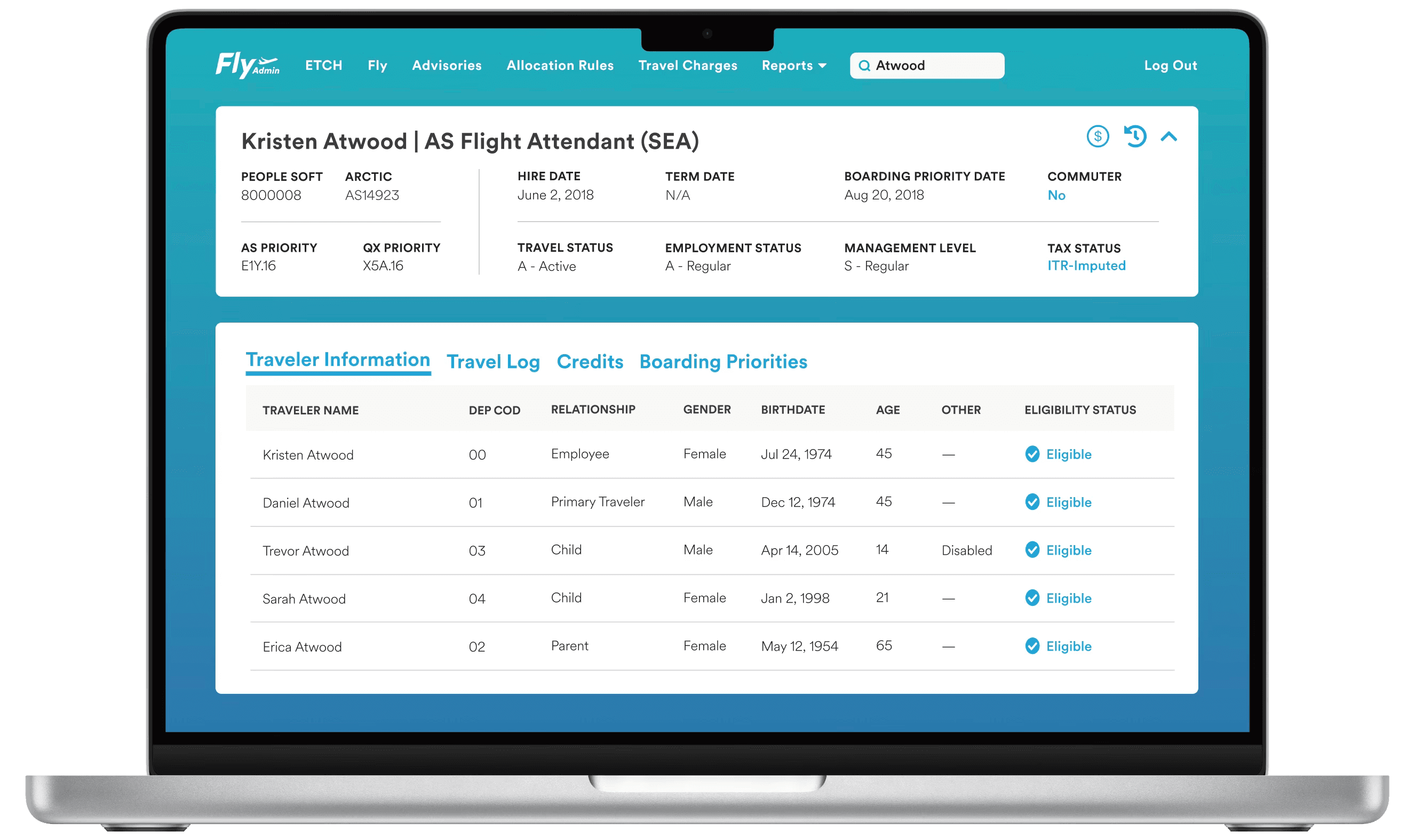
Fly Admin
Internal website that the employee travel support and accoung teams use to manage Fly – post advisories, manage travel eligibility & bookings, distribute credits, etc
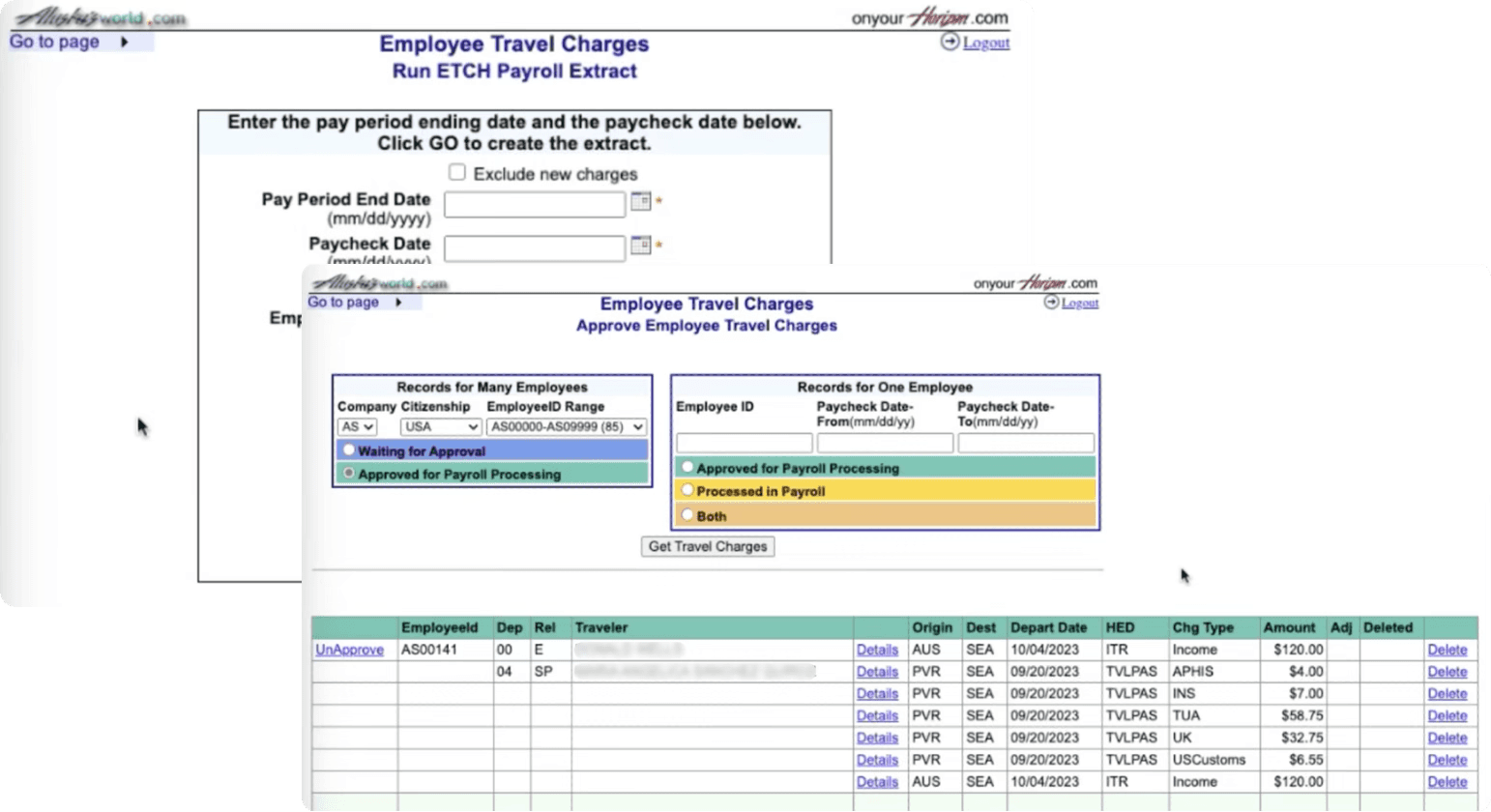
ETCH (Employee Travel Charges)
Legacy tool that generates an excel file used by the accounting team to calculate and track travel charges and fees; goal of eliminating this tool via automation
Current Process
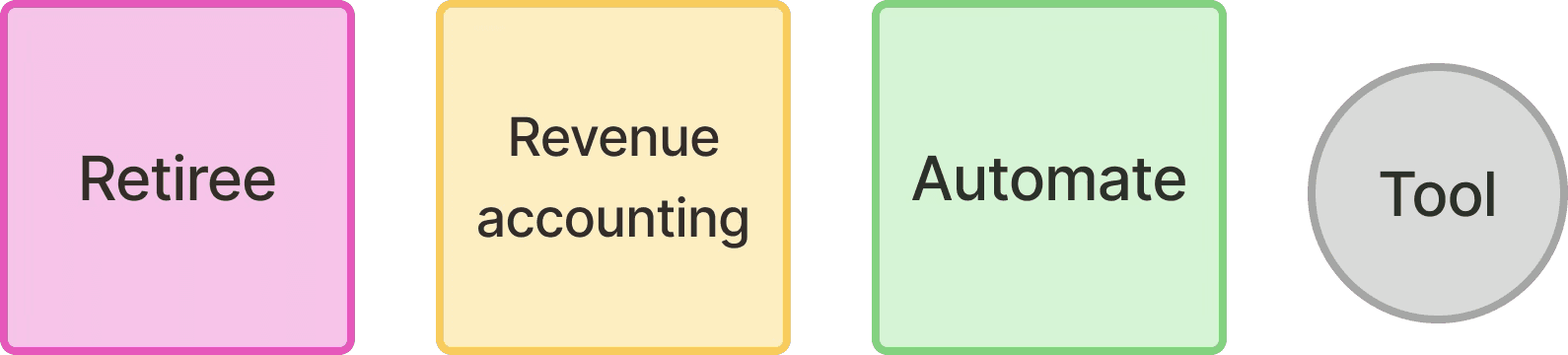


Proposed Process

SOLUTION
Admin View 🧑💻
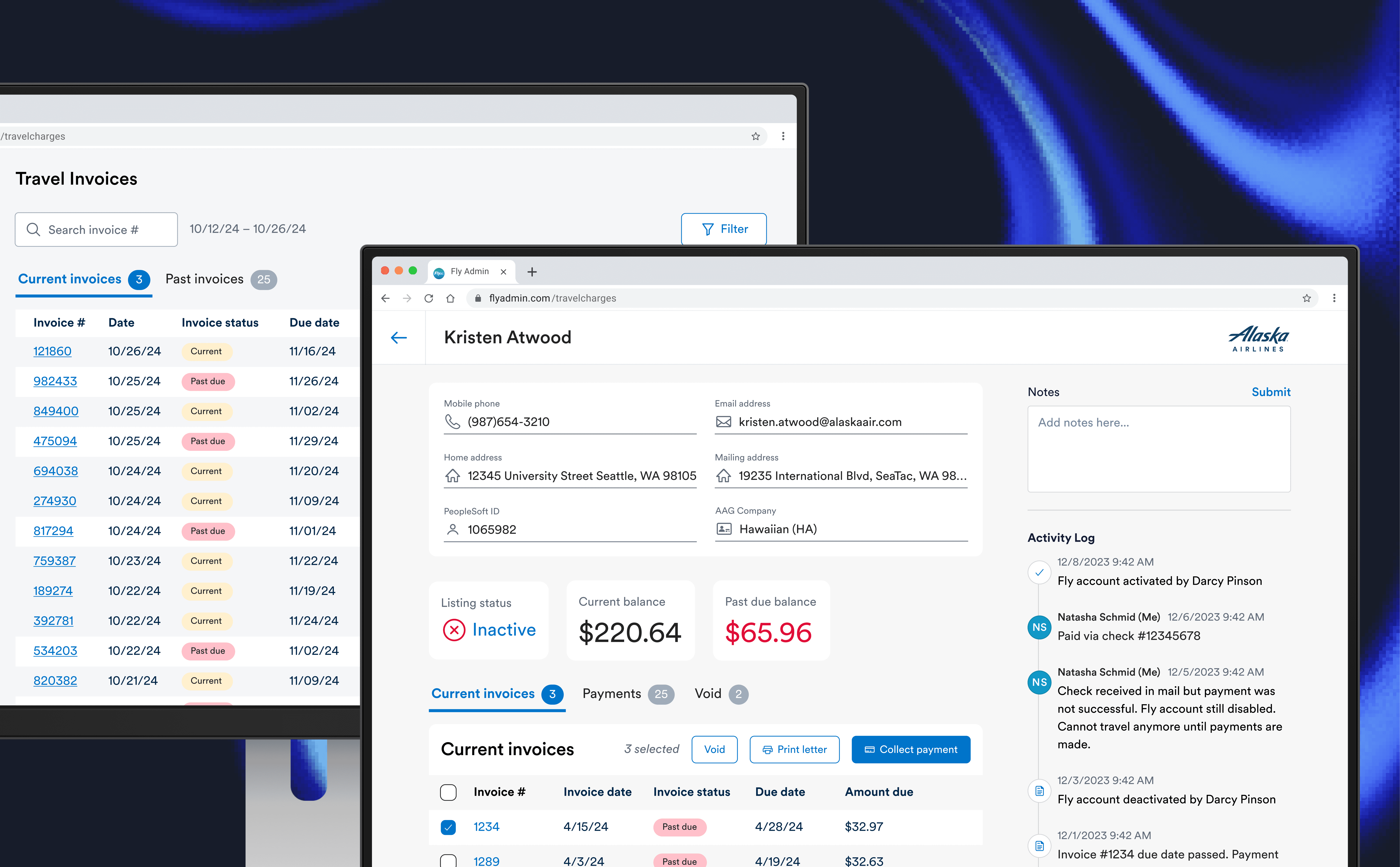
I designed the admin experience as a microsite within the existing internal tool Fly Admin, used by revenue accounting, payroll, and support teams to manage employee travel. This enabled teams to efficiently accept payments, manage tax rates, and oversee the end-to-end process in one place.
Key Functionality
🗂️
View all current and past due travel invoices
🖨️
Quickly download invoice letters & travel charge PDF for payroll department
👵🏼
View retiree invoice details
🧾
Update payment statuses
💳
Collect payments via credit card/check
✈️
Update Fly account access
💬
Activity log to keep track of internal notes & actions
⏰
Schedule future tax rates
Retiree View 👵🏼
I extended the experience to retirees by enabling online credit card payments on mobile and web through Fly, replacing a slow, paper-based process and significantly reducing turnaround time.



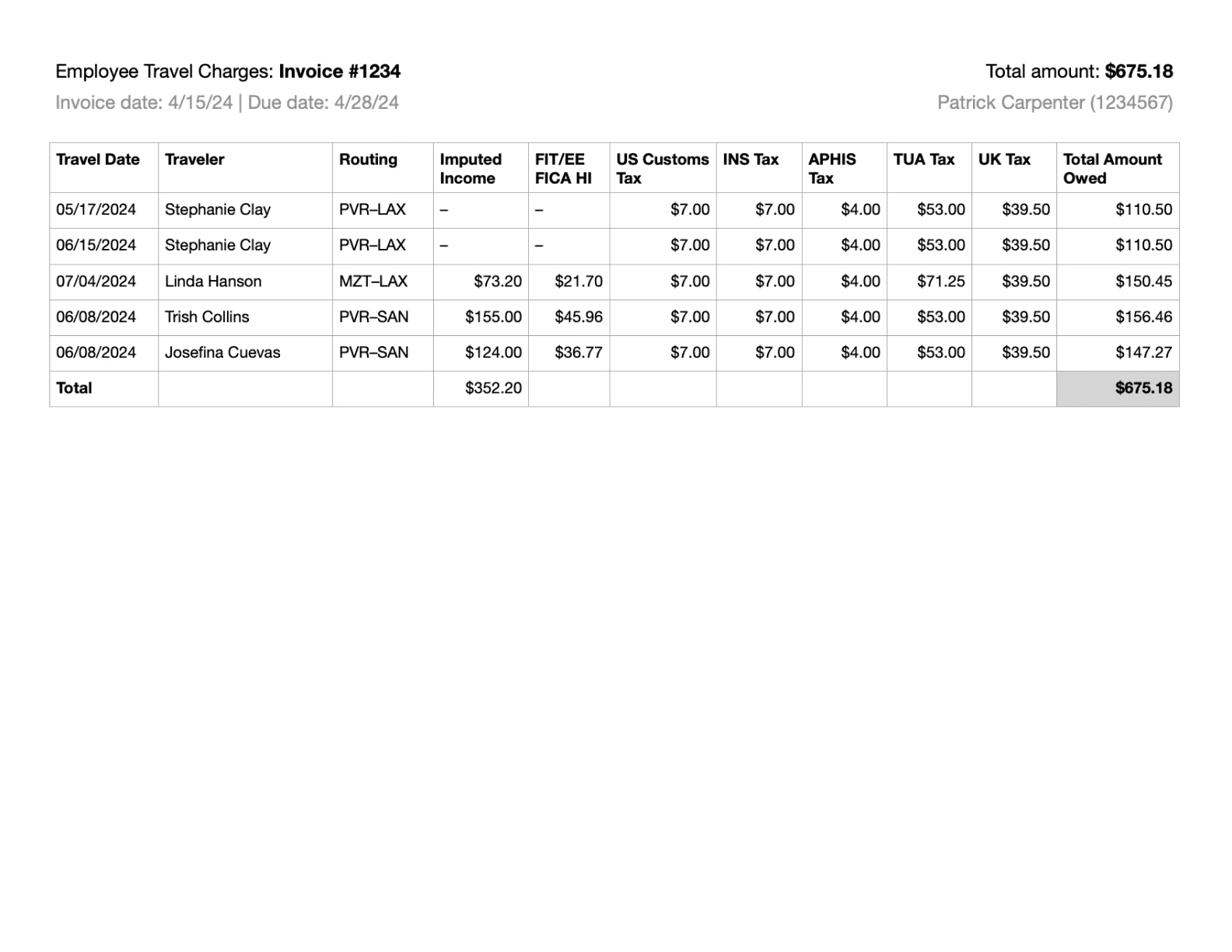
Print & Email Assets 🖨️ 📧
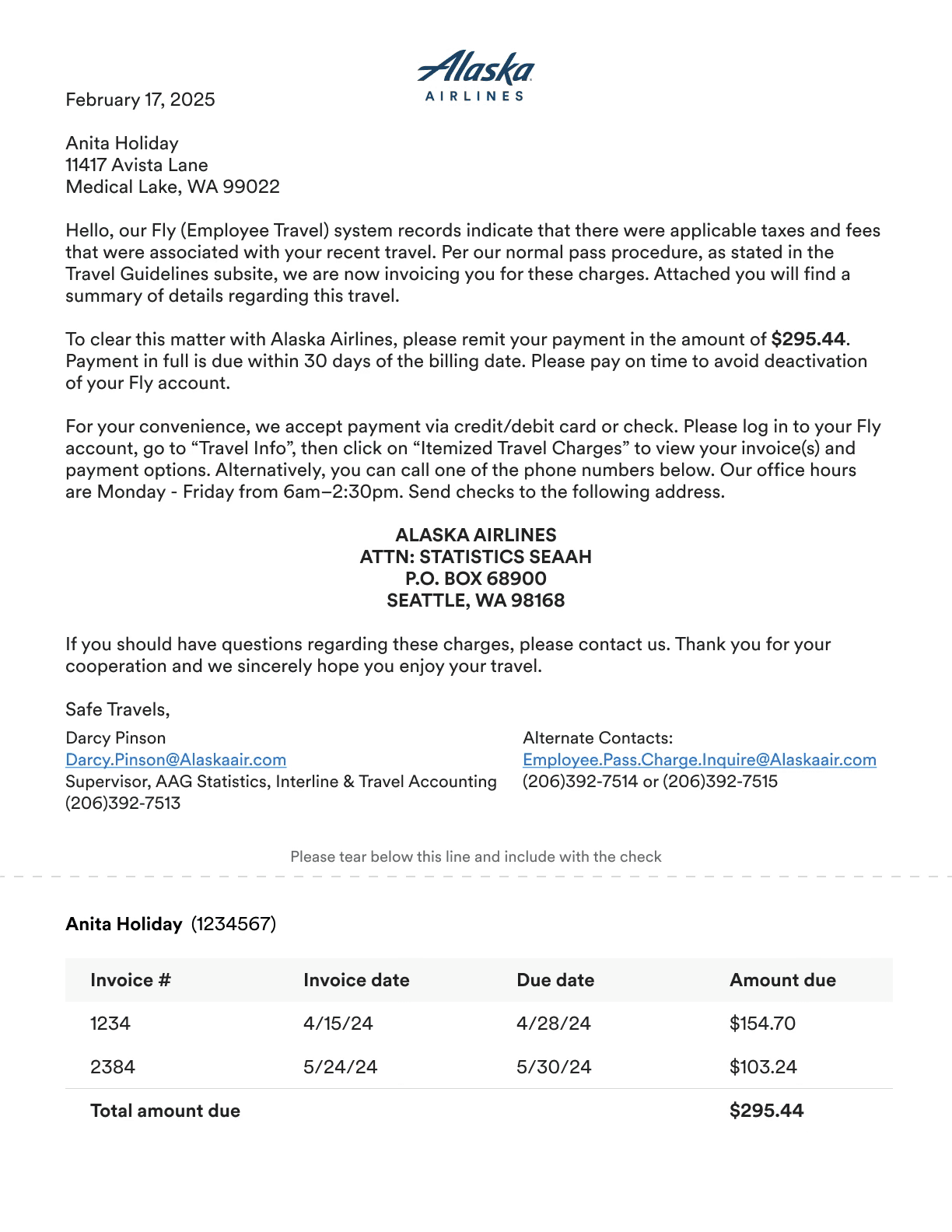
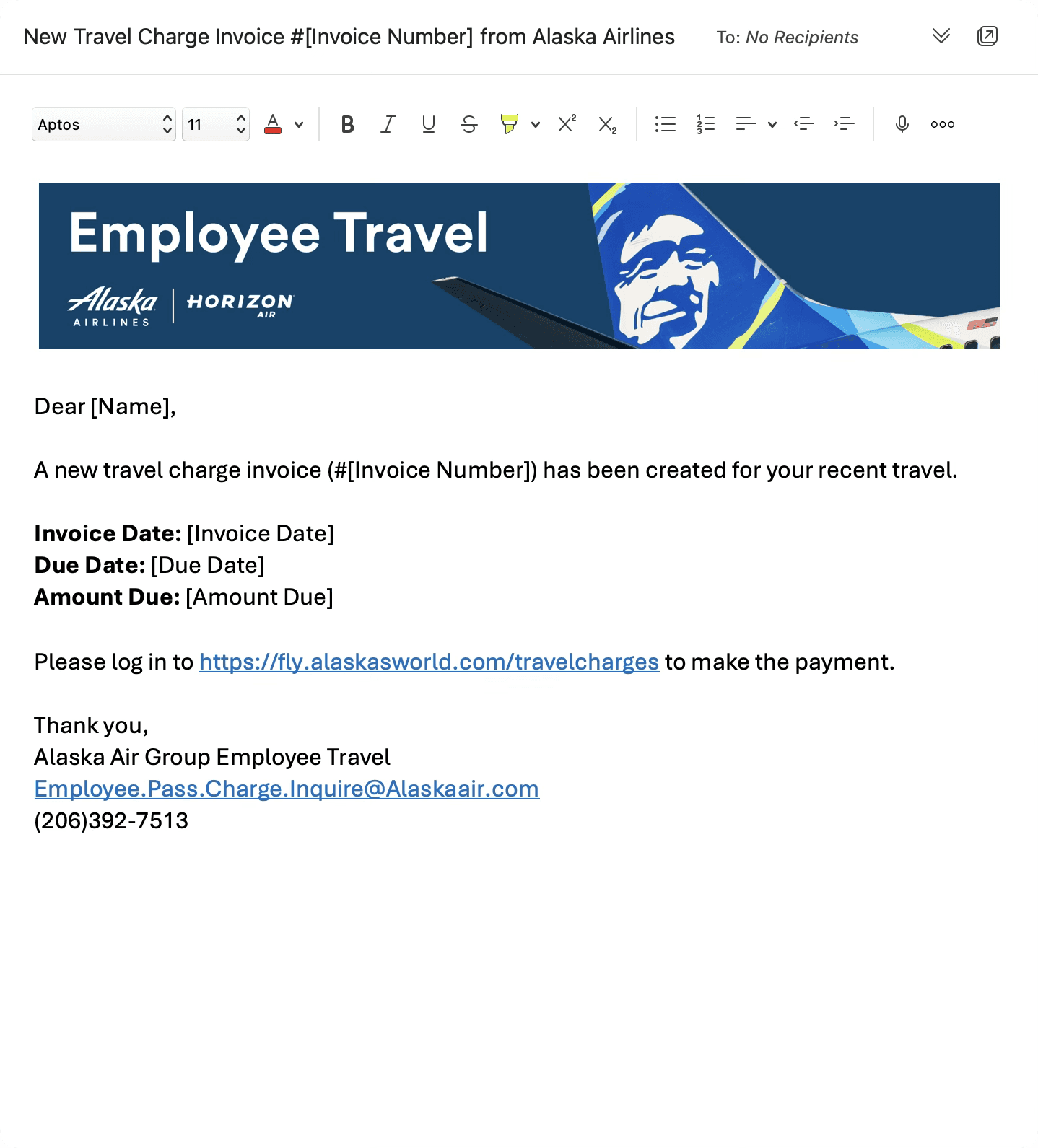
To complete the experience, I designed supporting print and email assets for tax documentation and record-keeping, ensuring a seamless end-to-end experience.
IMPACT
Avoided hiring 2 additional full-time revenue accounting specialists in order to support 30,000+ additional travelers from Hawaiian integration
Reduced payroll risk by accelerating payment turnaround time from over 3 months to under 2 weeks
Improved retiree satisfaction, reducing cases of suspended retiree travel privileges due to unpaid or unknown charges by over 85%
REFLECTION
What I learned
Designing multi-sided experiences for both admins and employees across mobile and desktop
Establishing a visual design language from scratch
Thinking beyond the core product to design a cohesive system – including notifications, invoices, payroll/tax documents, and automations
Navigating technical and regulatory constraints to maintain PCI compliance
What I would change
Establish design system patterns earlier on. Due to the tight timeline, I built the design language alongside execution. More upfront time to define the system holistically would have been valuable for consistency and scalability.
Future iterations
Scale the experience to active employees as an alternative to payroll deduction